
Giambalvo Chrysler Dodge Jeep RAM

Why Your Car’s Air Filter Matters

Your vehicle’s engine depends on a steady supply of clean air. The engine air filter’s job is to block dust, dirt, pollen, and other particles from entering the combustion chamber. Over time, the filter becomes clogged, and while modern vehicles can compensate for some restriction, letting it go too long can affect performance, emissions, and long-term reliability.

Here’s a look at the key benefits of replacing your air filter — with clear, fact-checked expectations.
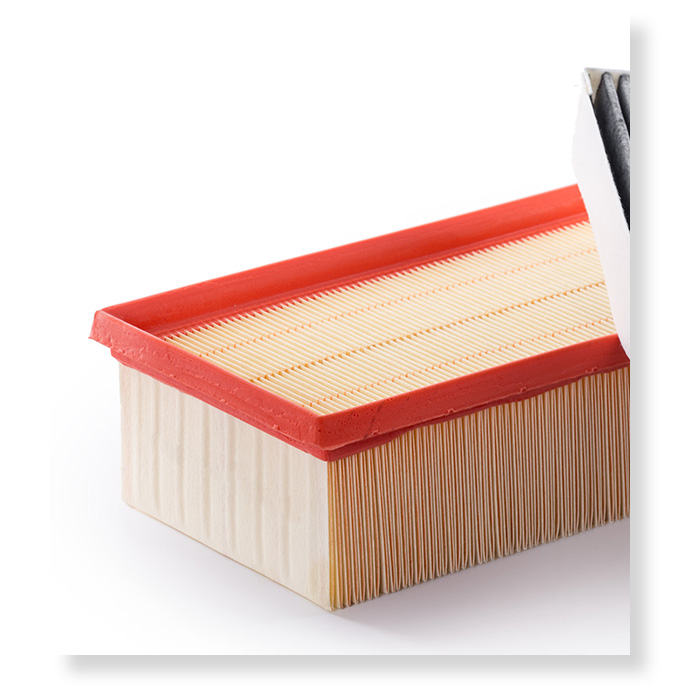
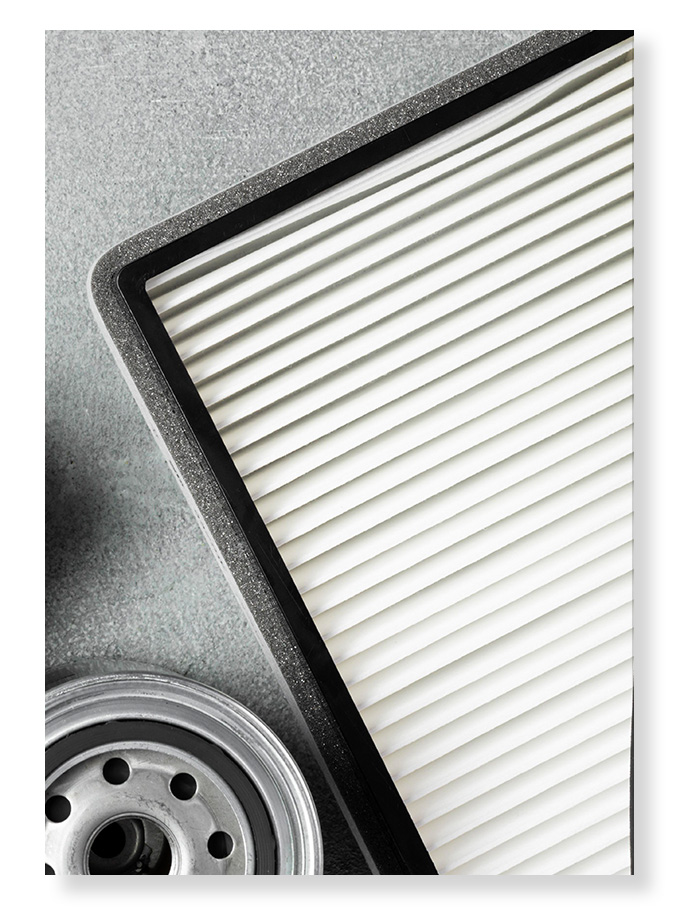
Why Your Car’s Air Filter Matters at Stetler DCJR | Close up a new car air filter

Helps Maintain Fuel Efficiency

For modern, fuel-injected vehicles, the effect of a dirty filter on fuel economy is often small under normal conditions, thanks to sensors that balance the air-fuel mix. However:

  • A severely clogged filter can still force the engine to work harder, sometimes reducing fuel economy by a few percent (typically 2–6%).
  • Older, carbureted engines (still found in classics) are more sensitive; a dirty filter can noticeably reduce miles per gallon.
  • In dusty or off-road conditions, clogged filters are more common, making replacement more critical.

Supports Lower Emissions

A clean filter promotes a balanced air-fuel mix, leading to more complete combustion. That means:

  • Fewer unburnt hydrocarbons and carbon monoxide exiting the tailpipe.
  • A better chance of passing state emissions tests, particularly if your filter was overdue for replacement.

 Important note: In newer vehicles, the onboard computer often compensates for restricted airflow, so emissions don’t spike until the filter is very dirty.

Protects Engine Components

This is where the air filter matters most:

  • A clogged or damaged filter can let abrasive dust or debris enter the engine. Over time, this can score cylinder walls, wear out piston rings, and damage intake sensors.
  • Regular filter changes reduce the risk of costly repairs and help your engine maintain consistent performance.

Improves Acceleration and Power Under Load

Drivers often notice sluggish acceleration when airflow is restricted. Replacing a dirty filter can restore responsiveness, especially when:

  • Accelerating hard onto highways.
  • Towing or carrying heavy loads.
  • Driving in hilly terrain where the engine demands more oxygen.

Additional Benefits

Better Cold Starts: A clean filter ensures the engine gets the right amount of air during ignition, making winter starts easier.

Lower Long-Term Costs: Prevents buildup that could lead to intake cleaning, sensor failures, or reduced engine life.

Resale Readiness: Routine maintenance, including air filter changes, demonstrates care to future buyers.

Why Your Car’s Air Filter Matters at Stetler DCJR | Close up of a brand new car air filter

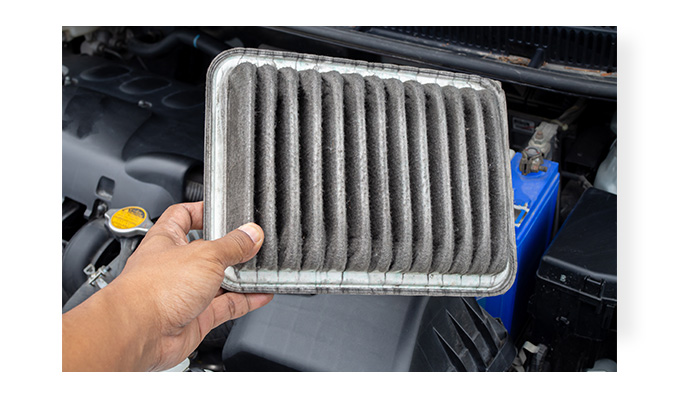
Why Your Car’s Air Filter Matters at Stetler DCJR | Person holding a dirty air filter

How Often Should You Replace It?

Typical schedule: Every 12,000–15,000 miles or about once a year, though it depends on your vehicle and driving environment.

Dusty/off-road driving: Check more frequently — sometimes every 6,000–10,000 miles.

Signs it’s time:

  • Decreased acceleration or sluggish performance.
  • Noticeable drop in fuel efficiency (especially if paired with other symptoms).
  • Visual inspection shows dirt and debris compacted in the filter.

If you need help or information on how to change your air filter our parts and service department is ready to help.

Changing your air filter is simple, inexpensive, and one of the best ways to protect your engine. While modern cars don’t always see dramatic fuel savings, the benefits for performance, emissions, and engine longevity make it a maintenance item worth staying on top of.

If you think you need an air filter replaced, then contact us at Stetler DCJR

Menu

Select Language

Giambalvo Chrysler Dodge Jeep RAM 39.9810212245953, -76.76000417012496.